
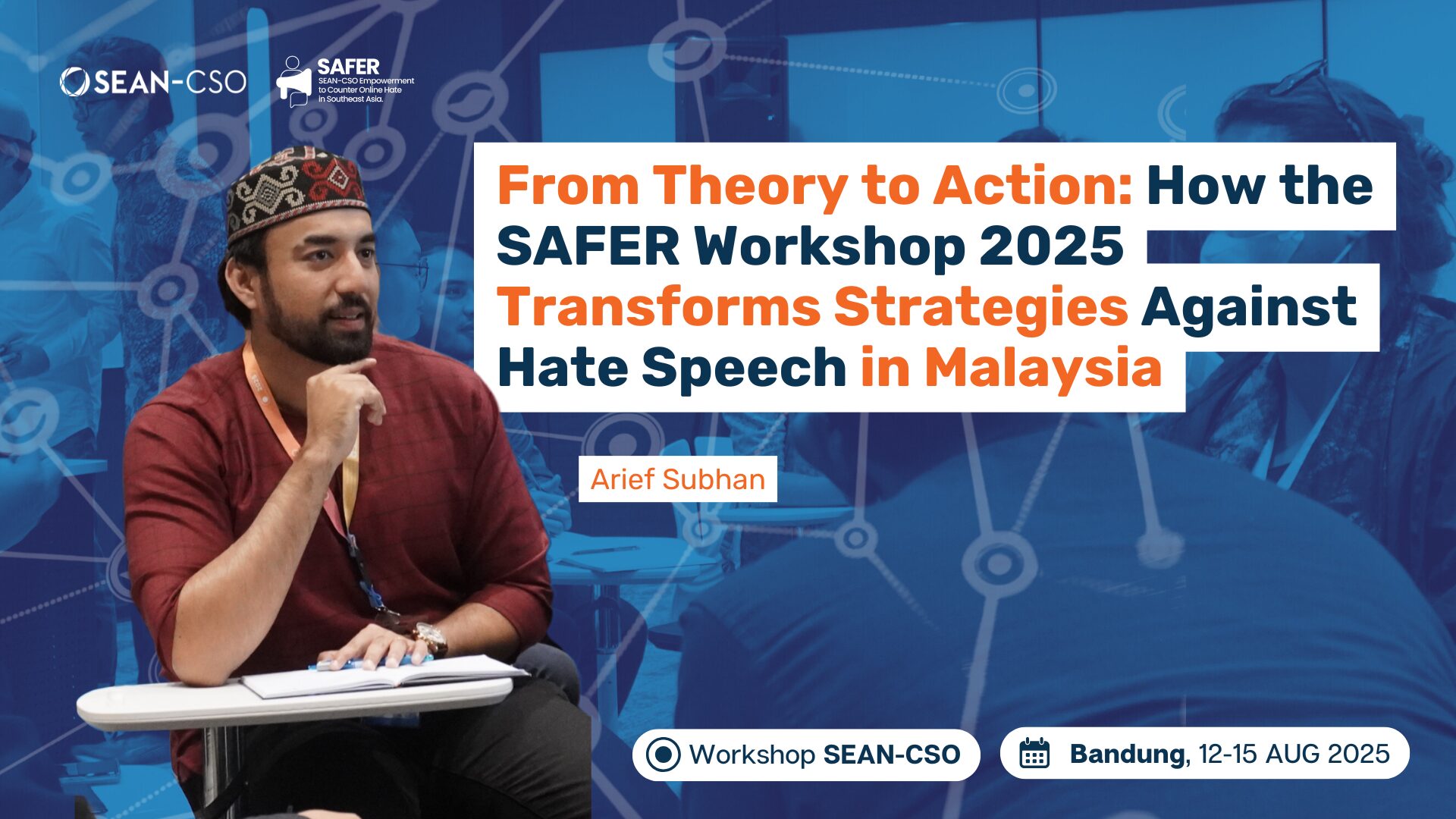
Amidst rising digital polarisation and the spread of misinformation, hate speech has become a global challenge that is causing concern. The Southeast Asian region, with its cultural, ethnic, and religious diversity, is no exception. To address this issue, activists, academics, and civil society organisations continue to seek innovative methods. One platform that has become a catalyst for change is the SAFER workshop by SEAN-CSO (Southeast Asian Network of Civil Society Organisations). Facilitated by PeaceGeneration Indonesia, the workshop was held at Deakin Lancaster Indonesia (DLI) Campus in Bandung.
Arief, working as a researcher at the PEDIX Centre in the International Islamic University Malaysia (IIUM), is one of the participants who experienced a paradigm shift after attending the SAFER Workshop. Arief’s story provides a real-life example of how a collaborative forum can foster new ways of thinking, tools, and skills to address these complex challenges.
Multisectoral Challenges of Hate Speech in Malaysia
Before delving into the changes he experienced, it is important to understand the context of the issues Arief faces in his country. According to him, the landscape of hate speech in Malaysia is highly diverse and multifaceted.
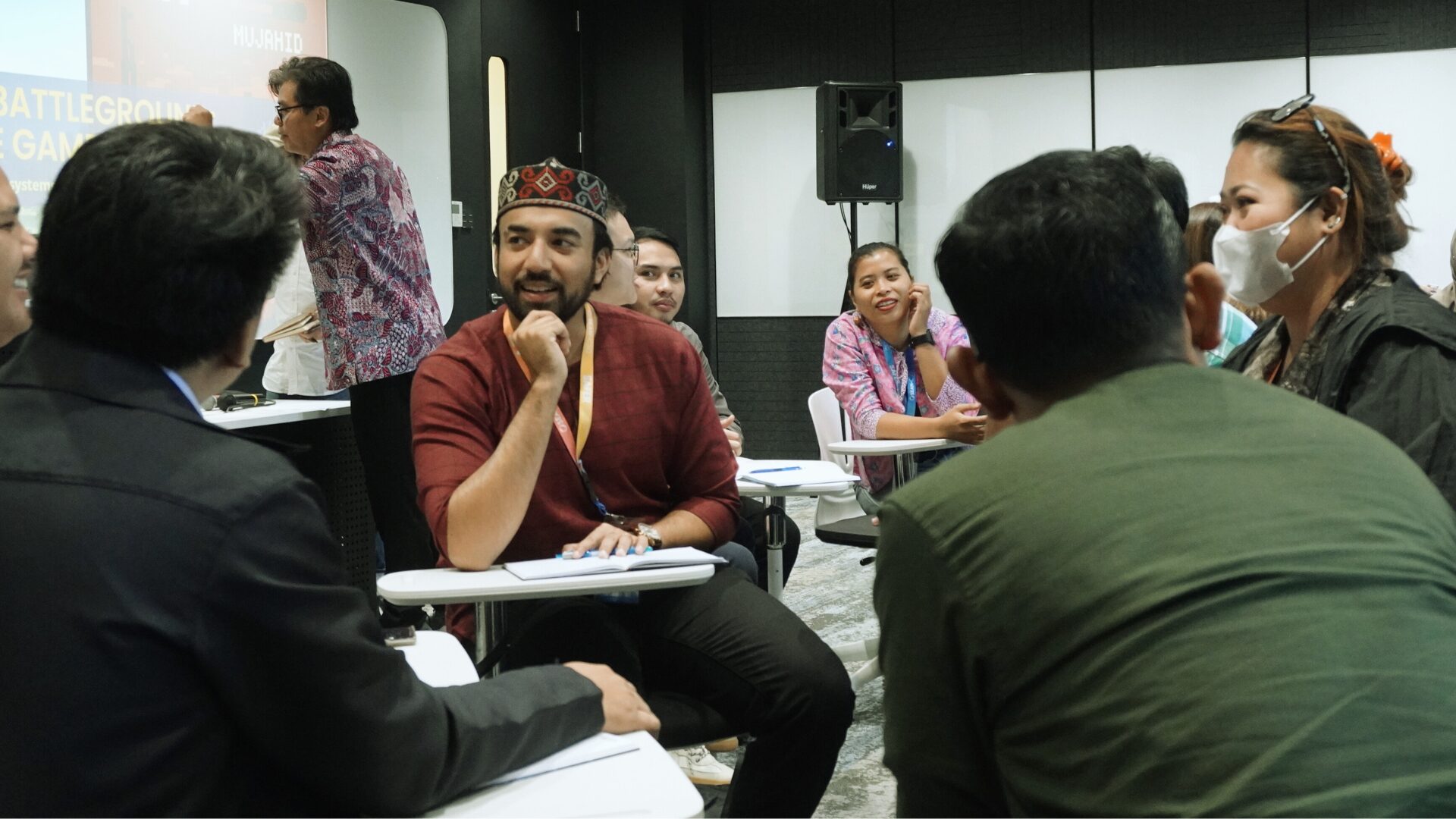
“Hate speech in Malaysia is very diverse, ranging from issues of race, religion, to gender,” explained Arief. He highlighted a concerning trend where hateful narratives often originate from young people in social media spaces. This phenomenon, which initially appears as a minor issue, has the potential to ‘spill over’ into the real world and be adopted by older generations.
According to him, this problem is not only happening in Malaysia but is also relevant to other ASEAN countries. The key to combating it, according to Arief, is through a constructive approach. “The main issue is to combat hatred with peace and love, and to focus on the similarities that bind us, not the differences that divide us,” he emphasised. This philosophy led him to the SEAN-CSO Workshop, seeking ways to translate idealism into concrete action.
Paradigm Shift: The Power of Gamification and Storytelling
Over the three-day workshop, participants were exposed to various innovative approaches combining technology, creative media, and storytelling. For Arief, two sessions were particularly eye-opening and shifted his perspective.
1. Gamification: An Unexpected Tool Against Radicalisation
One of the most memorable moments for Arief was the session led by Mas Eko Nugroho (Kummara), which discussed gamification. “I had never thought about it before, how we could use games to combat hatred, Islamophobia, and even anti-Semitism,” Arief said enthusiastically.
This session made him realise that games and social media, often seen as platforms for spreading radicalisation, could also be repurposed for positive goals. As a millennial, he saw great potential in this method to reach younger generations, such as Gen Z, in a relevant and engaging way. “It’s crucial to have intergenerational collaboration to combat hate speech, and gamification is the perfect bridge,” he added. This was an eye-opening experience, changing his perspective on the tools often used by young people.
2. The Enduring Power of Authentic Storytelling
In addition to technology, ancient methods such as storytelling were also emphasised as highly relevant tools. Arief, who has a background as a news broadcaster, felt a deep connection with this concept. He referred to the ‘Penglipurlara’ tradition in Malay culture, where storytellers convey messages and values from one generation to the next.
“As humans, we crave connection. We need to be understood and valued, and that’s why storytelling is so important,” he said. He compared the power of sincere storytelling with his experience reading news from a rigid script. “Such storytelling (in the news) is very contrived because the message does not truly come from the heart.”
The SEAN-CSO SAFER Workshop 2025 reminded him that strong and authentic narratives can build empathy, bridge differences, and ultimately, mitigate hatred in ways that data and facts alone cannot.
Call to Action: Turning Insights into Collaboration
Returning from the workshop, Arief not only brought back new insights, but also a clear call to action for his organisation, CePaDiX. As a newly established study centre, CePaDiX is actively seeking networks and collaborations across ASEAN and beyond.
The first concrete step is to organise a roundtable discussion on Islamophobia in September. However, after the workshop, the plan became more comprehensive. “The call to action we can take from SEAN-CSO is to explore gamification and various different mediums to combat hatred, especially in the context of Islamophobia,” explained Arief.
For him, the most important thing is to put into practice what has been learned. “Collaboration may sound cliché, but it must be practised, not just stuck in the realm of theory,” he concluded.
Deep Impressions and the Importance of Continuous Dialogue
As a first-time participant, Arief fully supports the SEAN-CSO workshop. He described it as ‘a very important event’ that should be continued and expanded. According to him, such platforms are crucial because they allow various ideas and perspectives to surface, especially in discussions about peace, solidarity, and friendship among communities.
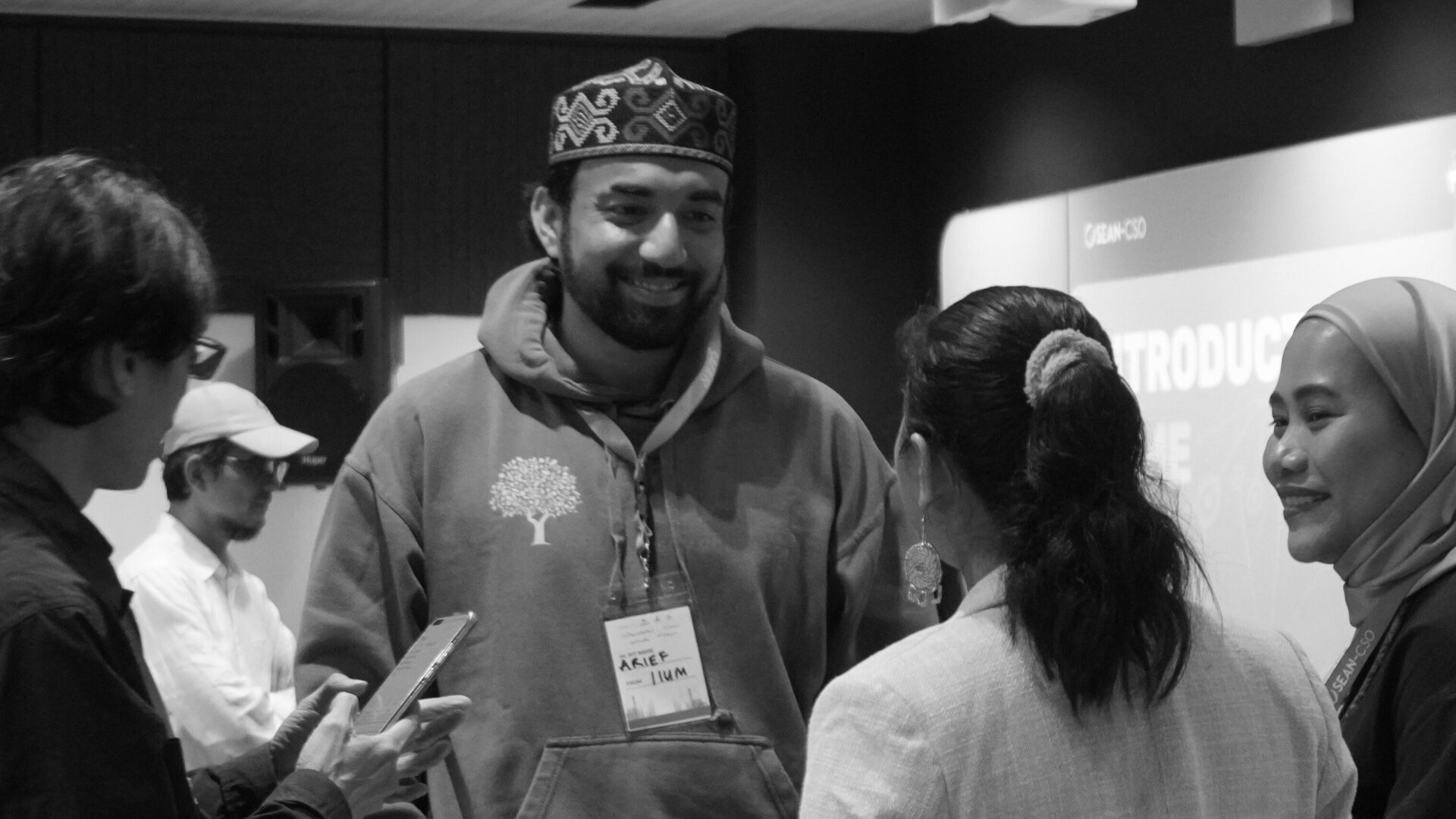
Arief Subhan’s experience is a clear example that the fight against hate speech requires more than just good intentions. It demands innovation, collaboration, and a willingness to learn, a transformation successfully facilitated by PeaceGeneration Indonesia and SEAN-CSO in Bandung, Indonesia.
If you are interested in connecting with Arief’s institution, please click this link https://www.instagram.com/pedixsiium?igsh=MmdwZHQ4ZHIzbTRv
If you are interested in SEAN-CSO activities like Arief, follow our social media for more information: Instagram @sean.cso & X @sean_cso

SEAN-CSO provides a platform for civil society organisations in Southeast Asia to network and share resources. Through this network, members can support each other, share knowledge, and coordinate efforts to address the region’s social challenges. In doing so, SEAN-CSO contributes to strengthening the voice of civil society at both regional and international levels.